
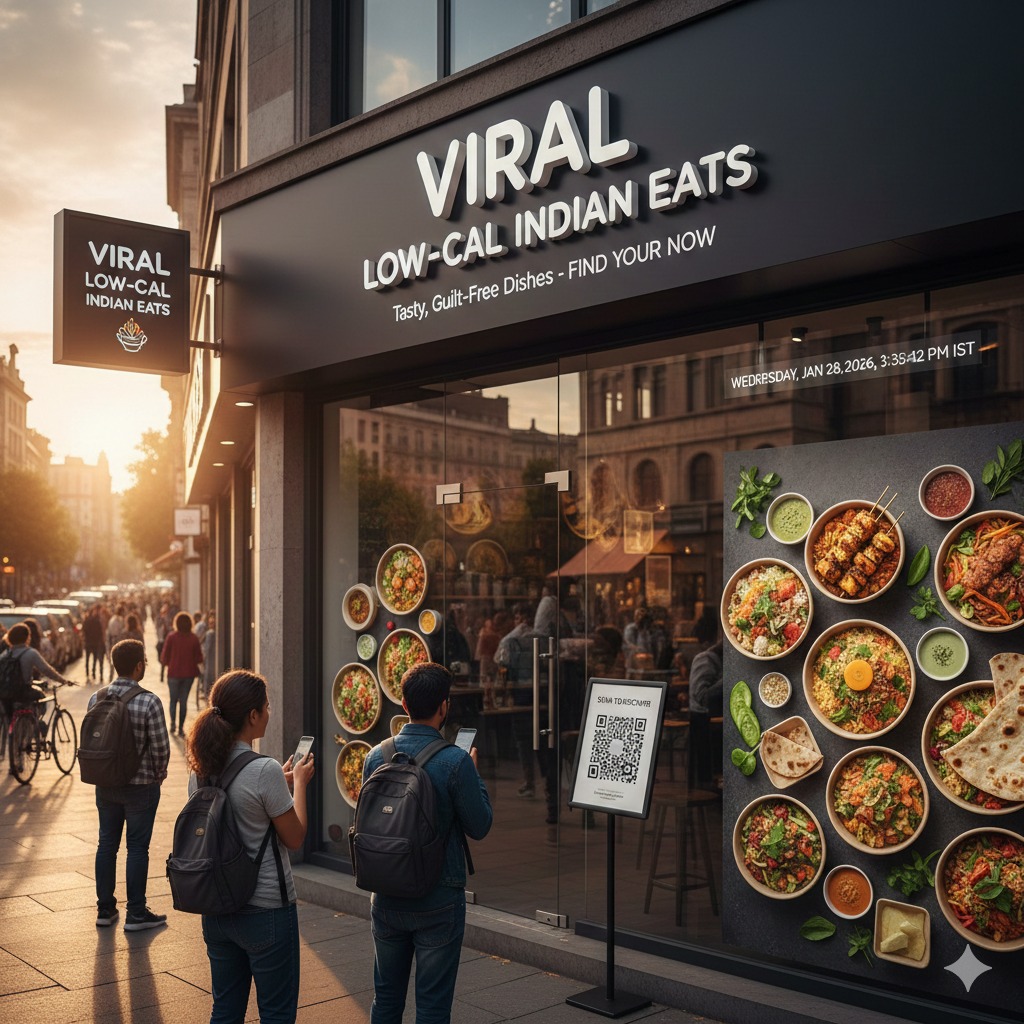
Walking by an Indian restaurant and smelling the spices wafting up from the restaurant is an amazing feeling; the smell of cardamom, cumin, and maybe even a little coriander is something else altogether. For many people, especially those trying to watch what they eat or those who have picky eaters at home, Indian food can feel very daunting. People may think of Indian food as being too spicy, too heavy, or just too different.
But the reality is that this is not the case. There are actually many types of Indian food that are lighter and do not get enough attention. These include grilled meats, curries made with vegetables, and lentil dishes. These types of dishes have real flavor without putting on extra weight, and they are not a new trend that is coming out. Most of these dishes have existed for hundreds if not thousands of years.
Cooking in India is very individualized. Different regions have their own way to prepare food and many traditional recipes do not normally contain large quantities of oil or heavy cream. A good example of this is Tandoori cooking. Tandoori cooking is marinating your chicken and or vegetables in yogurt and spices, and then cooking them in a very hot clay oven, resulting in a charred and smoky flavor, but without using a lot of butter to achieve that taste.
Dal is another example of a very healthy Indian food option. Dal is lentils cooked with spices, along with onions and tomatoes, and is a great source of protein and a good source of fiber, and has no fat. The USDA’s MyPlate guidelines recommend eating a lot more of the foods like vegetables and plant protein.
Another reason why Indian Food for Picky Eaters works so well is that you can control the amount of spice it has. You can have mild but still have a nice flavor, as you will taste the actual ingredients and not just get the heat
This is the entry-level dish for most tandoori cooks, chicken marinated in yogurt mixed with ginger, garlic and spices, then thrown on the grill to finish cooking. Each serving will probably have about 200-250 calories, so you should get a lot of protein from the tandoori chicken.
There are several types of lentil-based dishes that are generally very healthy, so if you find a good dal at a restaurant or if you’re looking to eat healthier in general, this would be a good option to consider. Some examples are dal tadka, dal fry and yellow dal; they are typically healthy comfort food while filling enough without making you feel sluggish, which is something to keep in mind when learning how to find healthy food at Indian restaurants.
There are many healthy vegetable dishes such as bhindi masala (okra), baingan bharta (roasted eggplant) and all kinds of dishes that use palak (spinach). Dry versions, which are generally healthier due to using less oil or sauce, can often be found at most restaurants as well. If you ask the chef, most Indian restaurant chefs will happily prepare things for you using less oil than usual.
Seekh kebabs or fish tikka can give you additional sources of protein, while another benefit of both seekh kebabs and fish tikka is the marinades, which flavour the meat without needing additional gravies.
Many Indian restaurants are quite flexible when creating meals for customers. Customers may request their meals to contain “less oil” or have “no cream sauces” or have “mild curry.”
In addition to customer requests, the words on the menu play an important role in determining the healthiness of the food. Words such as “tikkah,” “tandoori,” and “grilled” generally have fewer calories than other menu items. Additionally, “makhani,” “korma,” and “malai” are typically richer foods.
When looking for how to eat healthy at indian restaurant, seek dishes labelled with the following terms; Tikkah, tandoori, grilled.
When making choices, customers should consider the sides they are ordering in addition to the main course. For example, raita, which is yogurt and cucumber, is low in calories; plain roti is lower in calories compared to Naan bread.
Family-style dining allows customers to taste various dishes without consuming excessive calories.
Charlotte has made a shift regarding Indian food. If you go to South Boulevard or head toward the University area, you will find many restaurants that specialize in Indian cuisine that are implementing this shift. Many of these restaurants are focusing on having grilled items, vegetable dishes, as well as a lighter side of Indian food that may have been hidden or located in the back of the menu before.
Some of these restaurants have even created “healthy eating indian” sections for their menus that feature calorie counts. During lunchtime, customers are especially fond of ordering chicken tikka wraps and lentil soup for lunch. It is not about transforming Indian food from what it is; it is about promoting the lighter dishes that have always existed.
To avoid a heavy starter can give way to how soup could be an ideal alternative. Mulligatawny, a traditional Indian soup made from lentils, is a filling soup option. Choose to use one protein and one vegetable, with shared plate presentations, as the best option is to offer the same items (tandoori chicken, or a side of steamed broccoli). If you plan to serve bread with your meal, choose plain roti over butter naan, as it is a healthier and lighter choice.
By serving smaller portions of a variety of foods, you will be able to help most people who are picky eaters feel more comfortable with trying new foods than if you served large portions of everything.
Drink choices are important. Unless you are using large amounts of sugar in your masala chai/lime water, both will not add up significantly in calories. Save the mango lassi for special occasions or have half of one together with a friend!
One of the great things about lighter Indian cuisine is that it doesn’t feel like “diet” food at all. The taste of tikka masala or a dhansak is still loaded with explosion flavours, pairings, and numerous textures; all the things that make eating out enjoyable! You won’t have to choke down a boring piece of grilled chicken and a side of steamed green vegetables to meet your health goals.
This is important both for those of you who are attempting to give you’re cautious eaters an opportunity to expand their horizon and for you if you’re searching for ways to reminisce about your dining experiences without the food coma that often follows.
It helps that the spices carry most of the flavour weight allowing you to enjoy the satisfaction of eating terrific dishes without the “extra” items such as copious amounts of butter or cream that we often associate with deliciousness.
Additionally, many restaurants are now providing a level of transparency in their food preparation process. When they provide the nutritional breakdown of foods (or at least give you a description of how particular items are prepared) it becomes much easier for people to step out of their comfort zone and try new food options.
The lighter side of Indian food has existed for years, but it hasn’t gotten as much attention as other more luxurious and visually appealing Indian meals. Indeed, lentils (daal), vegetable curry (sabzi) and tandoori foods have all been included in traditional Indian cuisine, but they still provide a wholesome and tasty way of eating that can fit in with most people’s dietary goals.
When you are near an Indian restaurant, don’t dismiss the place as being too fattening! Find out what kinds of grilled foods are available, ask for lighter dishes, or at least try a vegetable dish. You may be pleasantly surprised to discover food that has been made “healthy” for thousands of years actually tastes good!
In Charlotte, Exotica has made this easy for everyone — they know how to prepare authentic Indian food, but they also offer customers a variety of different meals so they do not destroy their entire week by eating a huge Indian meal. To see how Exotica has incorporated the benefits of healthy Indian cuisine into their menu, go to https://exoticaclt.com/.
What is the best Indian food for picky eaters in Charlotte NC?
Mild grilled dishes like chicken tikka, vegetable curries with tomato bases, and lentil dals are popular choices for picky eaters in Charlotte.
Is Indian food healthy for beginners who don’t like spice?
Yes. Many Indian dishes focus on grilled proteins, vegetables, and legumes, making them suitable for beginners seeking balanced meals.
How can picky eaters order Indian food without it being spicy?
Ask for dishes labeled “mild,” request spice on the side, and choose yogurt- or tomato-based sauces instead of chili-heavy options.
What should first-timers avoid at Indian restaurants?
First-timers may want to avoid very spicy curries or deep-fried starters until they’re more comfortable with the cuisine.
Are there low-calorie Indian food options in Charlotte NC?
Yes. Tandoor-grilled items, vegetable curries, and lentil dishes are commonly recommended as lighter Indian options.
Harvard T.H. Chan School of Public Health – Healthy Eating Plate & Dietary Patterns
https://www.hsph.harvard.edu